
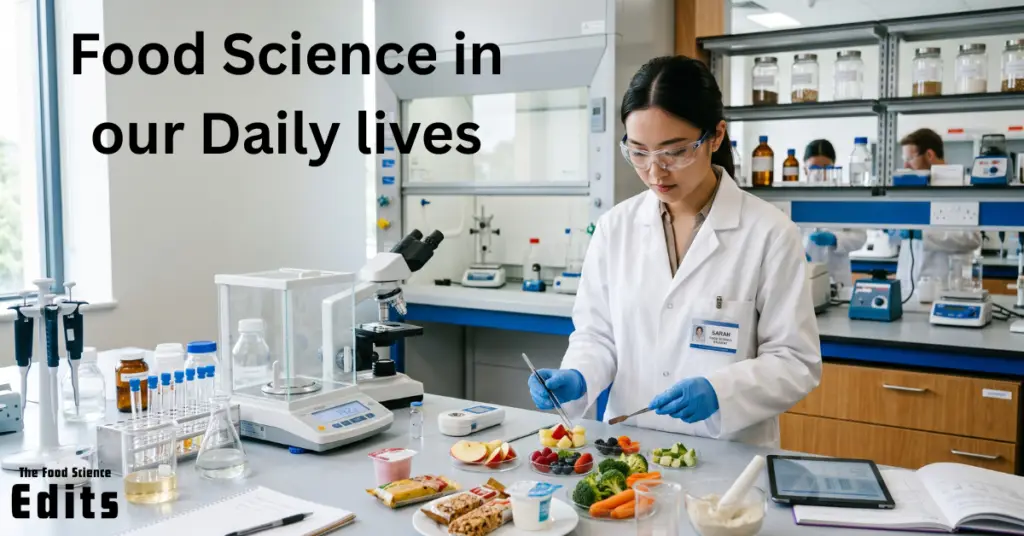
Have you ever wondered why milk can stay fresh for longer, how packaged food remains safe, or why some foods have a consistent taste, texture, and appearance? The answers are closely connected to food science.
Food science is not limited to laboratories or food factories. It affects the food we buy, cook, store, and eat every day. From keeping food safe to improving its quality and extending its shelf life, food science helps solve practical problems throughout the food system. Understanding food science can also help students see how chemistry, biology, microbiology, nutrition, and technology come together to influence something as familiar as a meal.
But why does food science matter so much in our daily lives? Let’s explore its role in food safety, nutrition, preservation, quality, innovation, sustainability, and everyday food choices.
What Is Food Science and Why Does It Matter?
It is the study of the physical, chemical, biological, and sensory properties of food and how food changes during processing, storage, preparation, and consumption. It brings together knowledge from several scientific disciplines to understand and improve food. The importance of food science becomes clear when we consider everything that happens before food reaches our plates. Food needs to be produced, processed, packaged, stored, transported, and prepared while maintaining acceptable safety and quality.
For students, food science is a useful example of how scientific knowledge can be applied to real-world problems. A food scientist may use chemistry to understand ingredient interactions, microbiology to study microorganisms, nutrition to evaluate food composition, or engineering principles to improve processing. In simple terms, food science helps answer practical questions such as:
- How can food be made safer?
- How can quality be maintained during storage?
- How can food be preserved for longer?
- How do processing methods affect nutrients and sensory properties?
- How can new food products be developed?
- How can food waste be reduced?
These applications show why food science is relevant far beyond the classroom.
How Does Food Science Keep Our Food Safe?
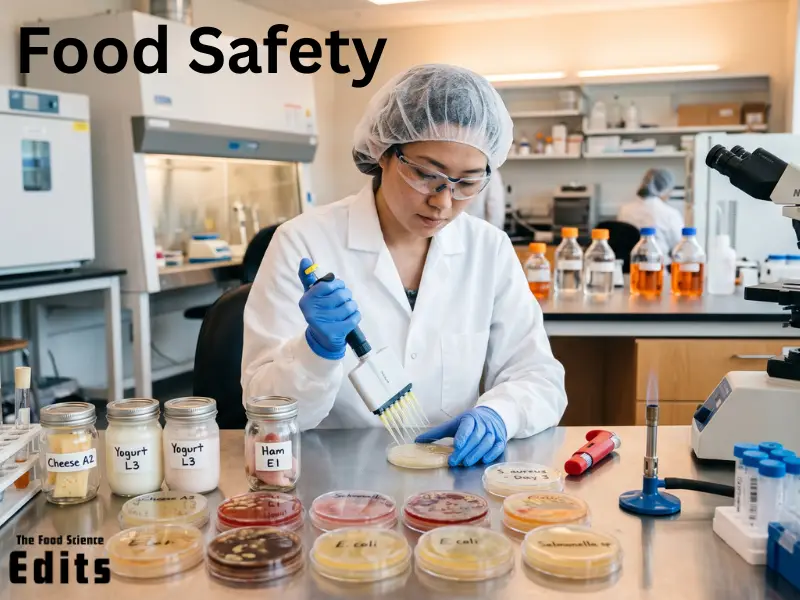
One of the most important areas of food science and food safety is preventing or controlling hazards that can make food unsafe.
Food can become contaminated by harmful microorganisms, chemicals, physical hazards, or allergens. Food scientists study these risks and help develop processing, handling, testing, and storage practices designed to control them. Food science education resources commonly identify safety as one of the essential contributions of the field.
1. Controlling Harmful Microorganisms
Microbiology is an important part of food science. Scientists study microorganisms such as bacteria, yeasts, and molds to understand their effects on food. Some microorganisms can cause food spoilage, while certain pathogens can cause foodborne illness. Understanding how microorganisms grow helps food professionals establish appropriate processing and storage conditions.
2. Improving Food Handling and Processing
Food processing can involve carefully controlled conditions designed to reduce safety risks. Depending on the product, processes such as pasteurization, cooking, drying, refrigeration, or freezing may be used to control microorganisms and maintain food quality. Safe food also depends on proper handling after processing. Good hygiene, appropriate storage, and prevention of cross-contamination are important parts of food safety.
3. Supporting Food Quality and Safety
Food testing and quality-control procedures can help manufacturers check whether products meet established specifications. This connects food quality and safety with scientific testing, process control, and appropriate standards. For consumers, these systems provide an important layer of protection between food production and the food on the table.
How Food Science Improves Food Quality?

Safety is essential, but consumers also expect food to have desirable taste, aroma, texture, color, and appearance. This is where another important role of food science comes in: understanding and maintaining food quality.
1. Understanding Taste, Texture, and Appearance
Food scientists use knowledge of chemistry, physics, and sensory science to understand why foods behave and taste the way they do. For example, heating can change the color, texture, flavor, and structure of food. Changes in moisture can make a product crisp or soft. Interactions between ingredients can influence whether a product forms a stable mixture or separates during storage. These changes are not simply random. Food scientists study them so that food products can be produced more consistently.
2. Maintaining Quality During Storage
Food quality can change over time. Exposure to oxygen, light, moisture, temperature, and other conditions can affect food. Packaging and storage conditions can therefore play an important role in maintaining quality. Food scientists study these factors to help determine suitable storage conditions and packaging approaches.
3. Understanding Consumer Preferences
Sensory evaluation helps researchers understand how people perceive food through taste, smell, appearance, texture, and other sensory characteristics. This information can be useful when improving an existing product or developing a new one. It also shows students how food science combines laboratory science with human perception.
The Role of Food Science in Nutrition
Another major benefit of food science is its contribution to understanding the nutritional characteristics of foods.
Nutrition and food science are closely connected, but they are not the same field. Food science focuses on the food itself and how its composition and properties change, while nutrition focuses more directly on nutrients and their relationship with the body.
1. Protecting Nutritional Quality
Processing and storage can affect nutrients in food. Food scientists therefore consider nutritional composition when studying processing methods and food stability. The goal is not simply to make food last longer. Food products also need to meet appropriate quality and nutritional expectations.
2. Developing Improved Food Products
Food scientists can work with nutrition professionals and other specialists during product development. This may involve modifying formulations, selecting ingredients, or evaluating how processing affects the final product. For students, this demonstrates how different areas of science can work together to address practical food and nutrition needs.
3. Understanding Food Labels and Ingredients
Food science also helps us understand why ingredients are used and how they contribute to a product’s characteristics. When students learn about ingredients, processing, nutrients, and food composition, food labels become easier to understand. This knowledge can support more informed food choices.
How does food science help preserve food?
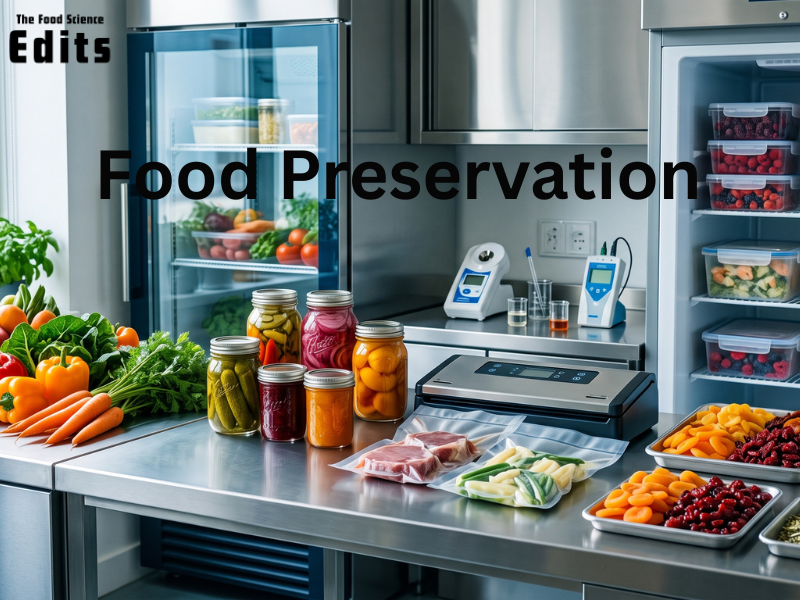
Food preservation is one of the clearest examples of food science in daily life.
Fresh foods naturally change over time because of microbial growth, chemical reactions, moisture changes, and other processes. Preservation methods are designed to slow or control these changes and maintain food for an appropriate period.
1. Why Food Needs to Be Preserved?
Without suitable preservation, many foods would deteriorate quickly. Food Preservation helps maintain food quality and can extend its usable life. Common preservation approaches include:
- Refrigeration
- Freezing
- Drying
- Heat processing
- Fermentation
- Appropriate packaging
The method selected depends on the type of food and the desired characteristics of the final product.
2. Extending Shelf Life
Shelf life refers to the period during which a food remains suitable under specified storage conditions. Food scientists study factors that cause food to deteriorate and use this knowledge to help determine suitable processing, packaging, and storage conditions.
3. Reducing Food Waste
Better preservation can also help reduce food losses by slowing spoilage and extending the period in which food remains usable. Food science resources commonly identify shelf-life extension and waste reduction as important applications of preservation and processing.
Food Science in Everyday Cooking and Food Choices
You do not need to work in a food laboratory to experience food science in daily life. Your kitchen is full of examples.
1. Why Ingredients Behave Differently During Cooking?
Cooking causes physical and chemical changes in food. For example, proteins can change structure when heated, starch can thicken when heated with water, and browning reactions can contribute to the color and flavor of cooked foods. These changes help explain why cooking methods produce different results.
2. Understanding Food Storage
Simple decisions such as refrigerating perishable foods, keeping foods dry, or protecting products from excessive heat can influence their quality and safety. Understanding the science behind these changes can help students make better connections between classroom concepts and everyday experiences.
3. Making Informed Food Choices
Reading ingredient lists, nutrition information, storage instructions, and product labels is another example of food science in everyday life. The more students understand about food composition, processing, preservation, and quality, the easier it becomes to understand why different food products behave differently and require different handling.
How does Food Science support Food Innovation?
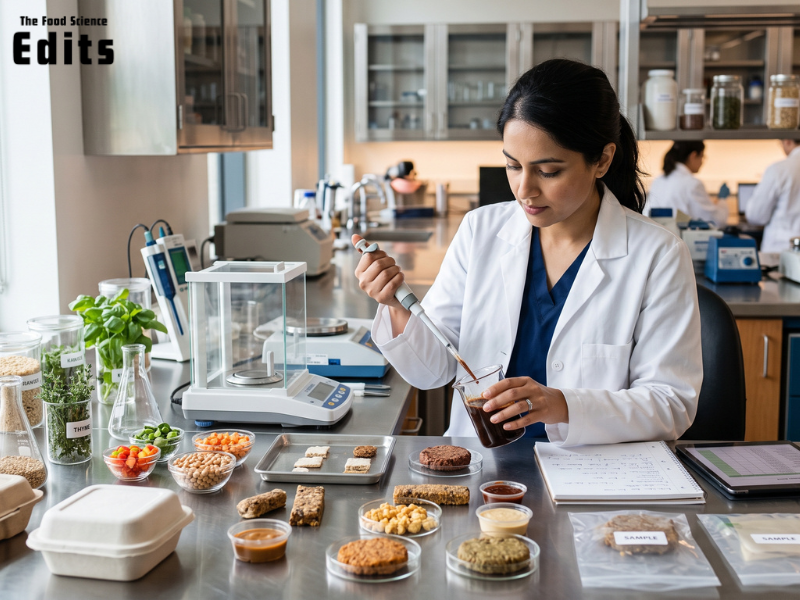
The food industry constantly develops new products, ingredients, processes, and packaging solutions. Food science provides much of the scientific foundation behind this work.
1. Developing New Food Products
Food product development involves more than creating a recipe. Scientists and product developers need to consider ingredients, processing conditions, safety, nutritional characteristics, sensory properties, stability, packaging, and consumer expectations. This is one reason the importance of food technology is closely connected with food science. Food science helps explain the principles, while food technology focuses on applying scientific and technical knowledge to food production and processing.
2. Improving Convenience
Modern consumers often look for foods that are convenient to prepare and store. Food science and technology help food manufacturers develop products that can meet specific processing, storage, safety, and quality requirements.
3. Solving Practical Food Problems
Innovation can also involve improving an existing product rather than creating something completely new. A food company may need to improve texture, increase stability, extend shelf life, modify a formulation, or develop better packaging. These challenges require scientific understanding as well as practical problem-solving.
Food Science and Sustainable Food Production
Sustainability is another area where food science affects our lives.
The food system uses resources such as water, energy, raw materials, packaging, and transportation. Food scientists can contribute to efforts to use these resources more efficiently and reduce unnecessary losses.
1. Reducing Food Waste
Preservation, packaging, storage, and processing can help reduce avoidable food losses by maintaining food quality for longer.
2. Making Better Use of Food Resources
Food scientists also investigate ways to improve processing efficiency and make useful products from materials that might otherwise be discarded. For example, research into food by-products can explore whether they can be used as ingredients or transformed into other useful materials.
3. Supporting Future Food Systems
Food science is part of a broader effort to develop food systems that can provide safe and acceptable food while using resources responsibly. Educational sources identify sustainability, food availability, and efficient food systems among the broader applications of food science.
Why Food Science Is Important for Everyone?
The importance of food science becomes easier to understand when we look at its everyday effects. Food science helps us:
- Eat safer food by supporting methods for controlling food safety hazards.
- Maintain food quality by understanding changes in taste, texture, color, and appearance.
- Preserve food by developing and applying suitable preservation methods.
- Understand nutrition by studying food composition and changes during processing.
- Develop new foods by applying scientific knowledge to ingredients and processing.
- Reduce food waste by improving preservation, storage, and processing.
- Make informed choices by understanding ingredients, labels, storage, and food characteristics.
- Support sustainable food systems through research into efficient processing and resource use.
This is why food science in everyday life is not something limited to food factories or research laboratories. It is connected to the food choices and experiences we encounter every day.
Frequently Asked Questions
Why is food science important in everyday life?
Food science is important because it helps us understand and improve the safety, quality, nutrition, preservation, and processing of food. Its applications affect foods from production and processing to storage and consumption.
How does food science affect our lives?
Food science affects our lives through the foods we purchase, prepare, store, and consume. It contributes to food safety, shelf-life extension, quality control, product development, nutrition, and food preservation.
How does food science help with food safety?
Food science uses knowledge from areas such as microbiology, chemistry, processing, and quality control to identify and manage food safety hazards. It supports practices designed to reduce contamination and maintain safe food.
What are the main benefits of food science?
The main benefits include supporting food safety, maintaining quality, understanding nutritional properties, preserving food, developing food products, improving processing, reducing food waste, and contributing to sustainable food systems.
What is the role of food science in food preservation?
Food science helps explain why food deteriorates and how factors such as microorganisms, temperature, moisture, oxygen, and processing affect shelf life. This knowledge supports the selection and improvement of preservation methods.
What is the difference between food science and food technology?
Food science focuses on understanding the properties and changes of food using scientific principles. Food technology applies scientific and technical knowledge to practical food processing and production. The two areas overlap and work closely together.
Conclusion
So, why does food science matter in our daily lives? Because almost every food we eat has been affected by scientific knowledge at some stage. From controlling microorganisms and maintaining food quality to preserving food, understanding nutrition, developing new products, and reducing waste, food science addresses practical problems that affect consumers every day.
For students, learning about food science is also an opportunity to see how subjects such as chemistry, biology, microbiology, nutrition, and engineering can be applied outside the classroom. The next time you open a packaged food, refrigerate leftovers, read a nutrition label, or cook a meal, remember that there is science behind many of those everyday food experiences.
Explore More
It is a vast and fascinating field, with so much more to discover. Explore more articles on The Food Science Edits to learn about food safety, processing, preservation, packaging, product development, and the science behind the food we eat.
Have a question or something to add? Share your thoughts and insights in the comments. We’d love to hear your perspective.
Want to explore more? Discover our latest articles and stay updated with The Food Science Edits. Join the conversation on Instagram, LinkedIn, or Facebook for more food science insights. Those social links are already available in your site’s footer.

Atika Ishtiaq is a Food Science & Technology graduate, researcher, and content writer, and the founder of The Food Science Edits. She combines her background in food science with research-based writing to create clear, engaging, and informative content on food science, food technology, nutrition, food safety, and related topics.