
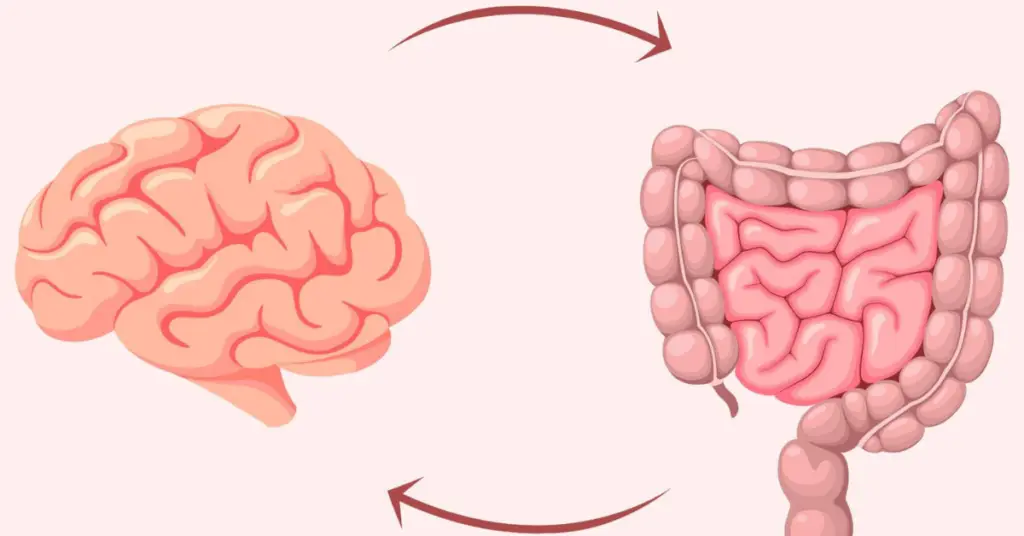
Before a test, have you ever experienced digestive discomfort or felt butterflies in your stomach on a stressful day? These instances show how the brain and the digestive system communicate. Through the gut-brain axis, a communication network linking the brain, digestive system, neurological system, immune system, and gut microbiome, scientists investigate this relationship.
The gut-brain axis functions bidirectionally. The brain may influence digestive movement, secretion, and sensitivity, while the gut’s signals aid in monitoring digestion. This explains why tension can occasionally impair digestion and why our feelings might be influenced by digestive sensations.
The gut-brain connection shows how diet, bacteria, and everyday routines interact for students interested in neuroscience, food science, and gut health. However, it is crucial to differentiate between established findings and new research, especially in the context of mental health.
What Is the Gut-Brain Axis?
The gut-brain axis is a network of communicative channels that connects the central nervous system (CNS), which contains the spinal cord and brain, with the gastrointestinal tract and its own nervous system. In addition, hormones, immune signals, and chemicals generated by gut microorganisms all play a part.
Simply put, the brain and gut communicate information about stress, hunger, satiety, and digestion. The brain can recognize fullness after eating thanks to messages from the digestive system. Stress-related signals can alter digestion during anxiety, potentially leading to nausea, abdominal pain, or changes in bowel movements.
How Does the Gut-Brain Connection Work in Both Directions?
Communication consists of two directions:
- Gut to brain: Signals communicate information about nutrients, digestive activity, stretching, and immune responses.
- Brain to gut: The brain influences digestive movement, secretion, and other functions through nerves and hormones.
This two-way communication helps coordinate digestion with the body’s changing needs.
Why Does the Gut-Brain Axis Matter?
The gut-brain axis supports normal digestive function and helps the body respond to internal and external changes. Researchers are also investigating its relationship with mood, stress, sleep, and certain neurological and psychiatric conditions. However, an association between gut microorganisms and a condition does not prove that changes in the gut cause it.
How Does the Gut-Brain Axis Work?
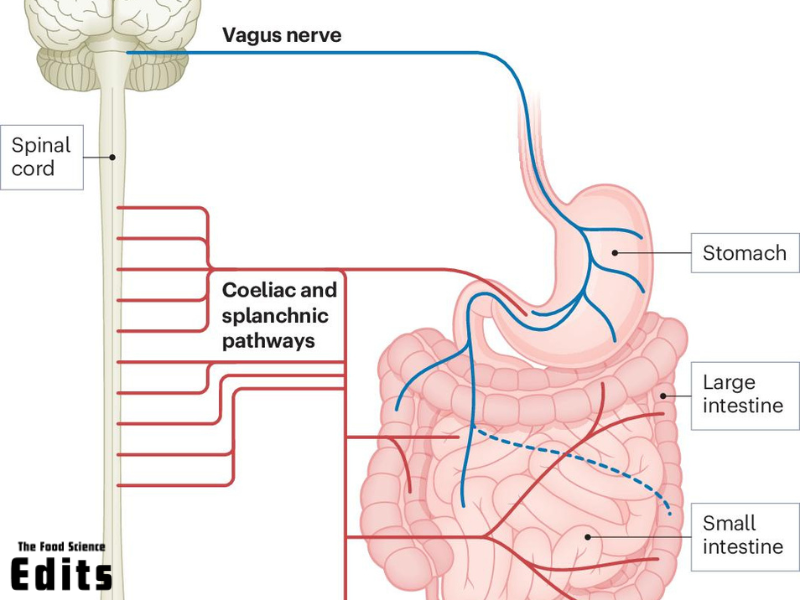
Several biological systems work together to maintain communication between the gut and brain.
1. The Vagus Nerve and Enteric Nervous System
The vagus nerve is an important part of the parasympathetic nervous system. It carries information between the brain and internal organs, including the digestive tract. Many of its sensory fibers transmit information from the body toward the brain.
A system of nerve cells located inside the gastrointestinal system is called the enteric nervous system. It may coordinate several digestive processes without requiring direct brain instructions for each action. It communicates with the central nervous system to help control intestinal movement, digestive secretions, and local responses to food.
Together, these systems help the body monitor and regulate digestive activity.
2. Hormones, Neurotransmitters, and Immune Signals
Hormones released by the digestive tract help regulate hunger and fullness. Stress-related hormones can also influence digestive activity.
Neurotransmitters are chemical messengers used by nerve cells. Serotonin, for example, has important functions in both the gut and nervous system. Most of the body’s serotonin is produced in the gut, but gut-produced serotonin does not simply travel into the brain because it cannot readily cross the blood-brain barrier. Instead, it contributes to local digestive functions and can influence gut-brain communication indirectly.
The gut also contains substantial immune tissue. Immune cells release signaling molecules that help the body respond to microorganisms and other substances. These signals can interact with nervous system pathways, and researchers are studying their potential relevance to digestive and mental health.
What Role Does the Gut Microbiome Play in the Gut-Brain Axis?
The gut microbiome is the community of microorganisms living in the digestive tract, including bacteria, viruses, fungi, and other microbes. These organisms help break down certain dietary components, produce metabolites, and interact with the intestinal lining and immune system.
How Gut Bacteria Communicate With the Brain?
Gut microorganisms may influence gut-brain signaling through several mechanisms:
- Short-chain fatty acids: Certain bacteria produce these compounds by fermenting dietary fiber. They support intestinal health and influence immune and metabolic processes.
- Bile acid metabolism: Gut microbes modify bile acids, which help with digestion and can also act as signaling molecules.
- Immune interactions: Microbial activity can influence immune responses that communicate with other parts of the body.
- Nervous system pathways: Signals originating in the gut may affect neural communication through pathways that include the vagus nerve.
Scientists are investigating how these processes relate to stress, mood, and brain function. Findings from laboratory and animal studies do not always translate directly into proven benefits in humans.
What Is Gut Dysbiosis?
Gut dysbiosis describes changes in the composition or function of the microbial community that may be associated with impaired health. It has been observed in research on several conditions, but there is no single microbial profile that defines dysbiosis for everyone.
Diet, medications, age, illness, and individual biology can influence the microbiome. Commercial microbiome tests also cannot reliably diagnose every condition associated with the gut-brain axis, so results should be interpreted cautiously.
How Does the Gut-Brain Axis Affect Mood, Stress, and Digestion?
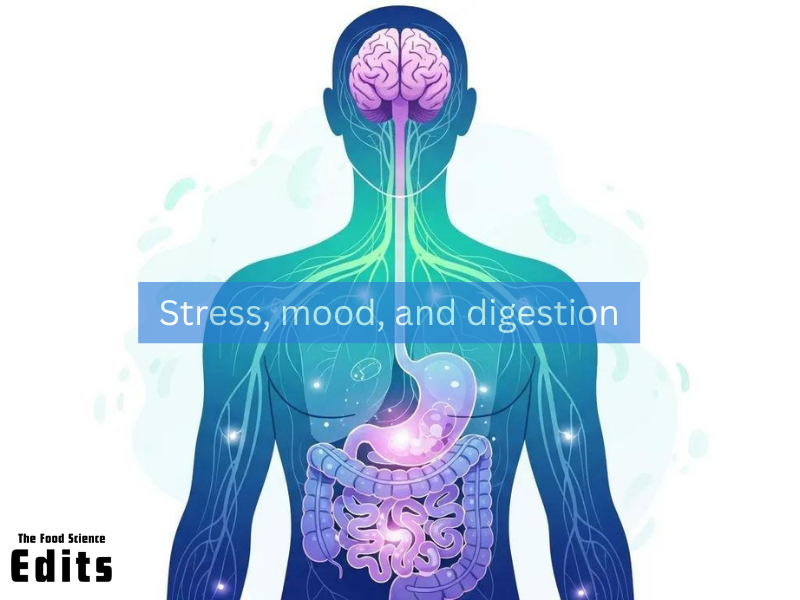
The gut-brain axis helps explain why emotional experiences and digestive sensations can influence one another. It does not mean that every mood change starts in the gut or that every digestive problem is caused by stress.
1. Stress and Digestion
During stress, the brain activates nervous system and hormonal responses that prepare the body to respond to a challenge. These responses can alter digestive movement and sensitivity. Some people experience nausea, abdominal discomfort, diarrhea, constipation, or changes in appetite during stressful periods. Effects vary between individuals and may depend on existing digestive conditions.
2. Gut Health and Mental Health
Research has found associations between gut microbial patterns and conditions such as depression and anxiety. Scientists are exploring whether particular microbial activities influence processes involved in mood regulation.
Mental health is shaped by many factors, including genetics, life experiences, sleep, physical health, social circumstances, and environmental influences. Current evidence does not establish that an unhealthy gut is the sole cause of depression or anxiety. The gut-brain connection is a promising research area, but it should complement rather than replace established mental health care.
3. Digestive Conditions and Brain Signaling
Disorders of gut-brain interaction, including irritable bowel syndrome (IBS), can involve digestive symptoms, altered gut sensitivity, changes in intestinal movement, and communication between the gut and nervous system. Stress can worsen symptoms in some people, while persistent digestive discomfort can contribute to emotional distress. Similar symptoms can also have other medical causes, so appropriate assessment matters.
What Can Disrupt the Gut-Brain Axis?
Several factors may influence gut-brain communication and the gut microbiome:
- Dietary patterns: A diet consistently low in fiber and diverse plant foods may reduce the variety of substrates available to gut microorganisms.
- Chronic stress: Ongoing stress can affect digestion, appetite, and sleep.
- Poor sleep: Sleep disruption can influence appetite regulation, stress responses, and metabolic health.
- Physical inactivity: Regular movement supports general health and may help maintain normal bowel function.
- Medications and illness: Antibiotics can alter microbial communities, while other medicines and medical conditions may affect digestion.
These factors do not affect everyone in the same way. A single symptom or lifestyle habit is not proof that the gut-brain axis is disrupted.
How Can You Support a Healthy Gut-Brain Axis?
No single diet or routine can guarantee a healthy gut-brain axis, but several evidence-informed habits can support digestive and overall health.
1. Eat a Diverse, Fiber-Rich Diet

Include vegetables, fruits, legumes, whole grains, nuts, and seeds. Dietary fiber provides material that certain gut bacteria ferment into short-chain fatty acids. Increase fiber gradually and drink enough fluids to help minimize discomfort. People with specific digestive conditions may need individualized dietary advice.
2. Include Fermented Foods if They Suit You
Yogurt with live cultures, kefir, and certain fermented vegetables may provide microorganisms or fermentation products. Their effects depend on the food, processing method, and microbes involved. Fermented foods are not interchangeable with clinically studied probiotic products.
3. Prioritize Sleep, Movement, and Stress Management
A consistent sleep schedule, regular physical activity, and manageable stress-reduction practices support general well-being. Walking, breathing exercises, and mindfulness may help some people manage stress, although responses differ.
4. Should You Take Probiotics?
Probiotics are live microorganisms that provide a health benefit when administered in adequate amounts. Their effects are strain-specific and condition-specific. Evidence for one probiotic in a particular condition does not mean every probiotic improves mood or gut-brain communication.
Ask a qualified healthcare professional before taking supplements if you have a medical condition or a weakened immune system. Persistent digestive symptoms, unexplained weight loss, blood in the stool, or severe abdominal pain warrant medical assessment. Mental health symptoms that interfere with daily life also deserve professional support.
Frequently Asked Questions
What Is the Gut-Brain Axis in Simple Terms?
The gut-brain axis is the communication network connecting the digestive system and brain. It uses nerves, hormones, immune signals, and substances associated with gut microorganisms to coordinate digestion and other body functions.
Can Gut Health Affect Mental Health?
Gut health may influence processes related to stress and mood, and research has found associations between the microbiome and some mental health conditions. These relationships are complex, and gut health alone does not determine mental health.
What Are the Signs of Gut-Brain Axis Dysfunction?
There is no single symptom or test that diagnoses gut-brain axis dysfunction. Bloating, abdominal discomfort, constipation, or diarrhea can occur in disorders of gut-brain interaction, but these symptoms can have other causes.
Which Foods Support the Gut-Brain Axis?
A varied diet containing vegetables, fruits, legumes, whole grains, nuts, and seeds supports fiber intake and microbial activity. Fermented foods may also be useful for some people, depending on the product and individual tolerance.
Can Probiotics Improve Mood or Reduce Stress?
Some probiotic strains are being studied for possible effects on mood and stress, but results vary by strain, dose, population, and study design. Probiotics should not replace prescribed mental health treatment.
How Long Does It Take to Improve Gut Health?
There is no universal timeline. Symptoms and microbiome measurements may respond differently to dietary changes, medications, and lifestyle habits. Sustainable changes and individualized guidance are more useful than expecting an immediate result.
Conclusion:
The gut-brain axis shows how closely digestion, nervous system activity, immune signaling, and the gut microbiome are connected. Through nerves, hormones, and microbial metabolites, the gut and brain exchange information that helps regulate digestive processes and responses to stress.
A varied, fiber-rich diet, adequate sleep, regular physical activity, and sustainable stress-management habits can support overall well-being. However, research into the gut-brain axis is still developing. Although gut health may be relevant to mental health, no single food, supplement, or microbiome test can explain or resolve every concern. Understanding the evidence and seeking appropriate professional guidance are essential to making informed health decisions.
Explore More
It is a vast and fascinating field, with so much more to discover. Explore more articles on The Food Science Edits to learn about food safety, processing, preservation, packaging, product development, and the science behind the food we eat.
Have a question or something to add? Share your thoughts and insights in the comments. We’d love to hear your perspective.
Want to explore more? Discover our latest articles and stay updated with The Food Science Edits.
Join the conversation on Instagram, LinkedIn, or Facebook for more food science insights. Those social links are already available in your site’s footer.

Atika Ishtiaq is a Food Science & Technology graduate, researcher, and content writer, and the founder of The Food Science Edits. She combines her background in food science with research-based writing to create clear, engaging, and informative content on food science, food technology, nutrition, food safety, and related topics.