
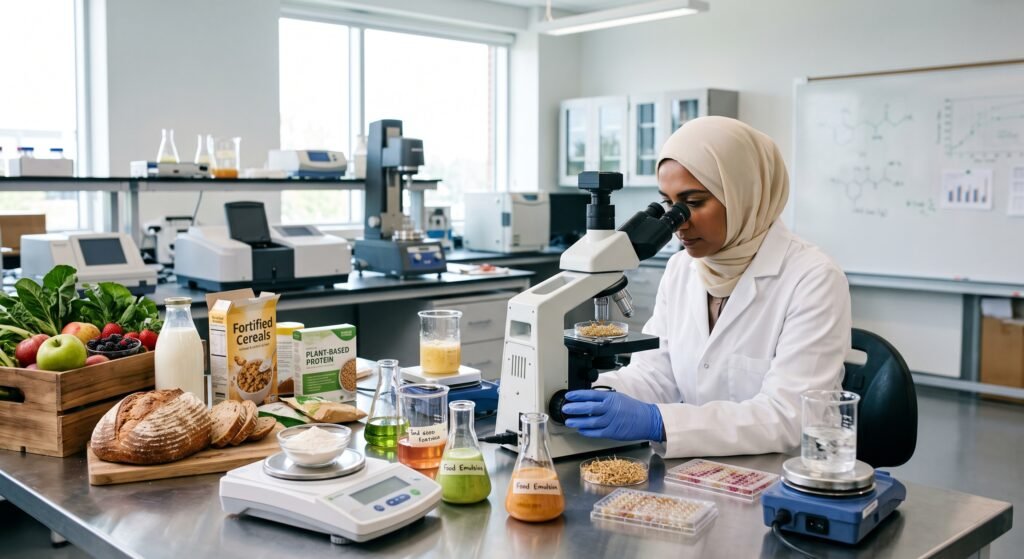
We interact with food every day, but most of us rarely stop to think about everything that happens before it reaches our plate.
Why does milk need to be pasteurized? Why does bread rise? What makes food spoil? How can some products stay fresh for months while others need to be eaten within a few days? The answers to many of these questions lie in food science. From improving food safety to developing new products and finding better ways to preserve food, food science plays an important role in the modern food system.
In this blog, we’ll explore what food science is, why it matters, its major branches, and how it affects our everyday lives.
What Is Food Science?
At its core, food science is the scientific study of food. It examines the physical, chemical, and biological properties of food and how these properties change during processing, preservation, storage, and preparation. It helps us understand questions such as:
- Why does food spoil?
- What happens when food is heated or frozen?
- How does pasteurization improve food safety?
- Why do foods change in color, flavor or texture?
- How can we extend the shelf life of food?
- How can packaging help protect a product?
- How are new food products developed?
In simple words, food science helps us understand what happens to food and how science can make it safer, better, and more useful. The Institute of Food Technologists describes food science as a field that draws on multiple scientific disciplines to understand and improve food. Institute of Food Technologists
Food Science Is More Than Cooking
When people hear the term food science, they sometimes think it simply means cooking or creating recipes. While cooking certainly involves science, food science goes much further. It looks at food throughout its entire journey, from raw materials to the finished product. This can include:
- Understanding the composition of ingredients
- Studying how food changes during processing
- Controlling microorganisms that may cause spoilage or illness
- Developing methods to preserve food
- Maintaining food quality
- Designing suitable packaging
- Developing new food products
- Studying how food behaves during storage and transportation
Think about a simple product such as milk. Before milk reaches the consumer, several scientific considerations may be involved. These can include microbial safety, processing conditions, nutritional quality, shelf life, packaging, and storage.
That is where food science comes in.
How Does Food Science Affect Our Everyday Lives?
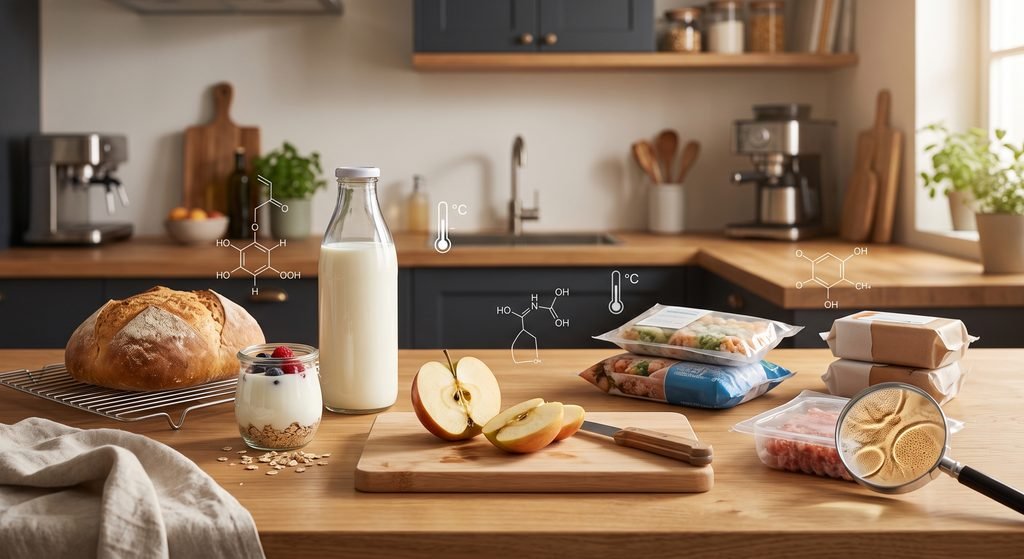
Examples of food science in everyday foods including bread, milk, yogurt and packaged productsFood science is not something that only happens in laboratories or food factories. We come across it every day. For example:
- When bread rises, biological and chemical processes are taking place.
- When milk is pasteurized, controlled heat is being used to improve safety.
- When food is refrigerated, low temperatures help slow down many spoilage processes.
- When fruit turns brown after being cut, chemical reactions are occurring.
- When yogurt is made, microorganisms play an important role.
- When food is packaged, the packaging helps protect it during storage and transportation.
Even everyday questions such as Why does oil go rancid? or Why does frozen food sometimes develop freezer burn? can be explored through food science. Once you start looking closely, you realize that it is everywhere.
The Major Branches of Food Science
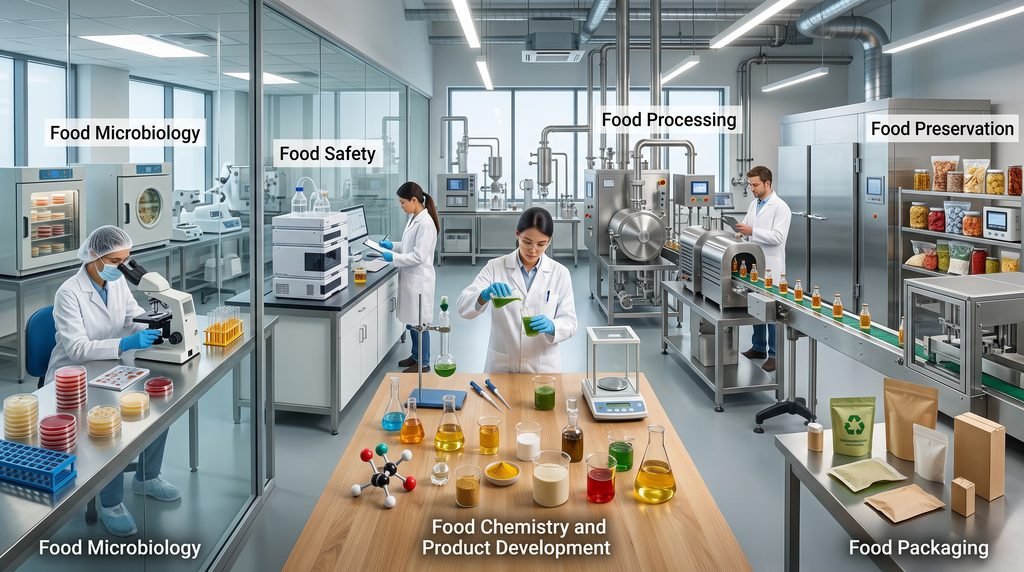
Food science is a broad field, and several areas work together to help us understand food.
1. Food Chemistry
Food chemistry focuses on what food is made of and the chemical reactions that take place within it.
2. Food Microbiology
It focuses on microorganisms associated with food.
3. Food Processing
It involves changing raw ingredients into products that are safe, convenient, and suitable for consumption.
4. Food Preservation
Many foods naturally begin to deteriorate over time. Food preservation focuses on slowing down spoilage and helping food remain safe and acceptable for longer.
5. Food Safety
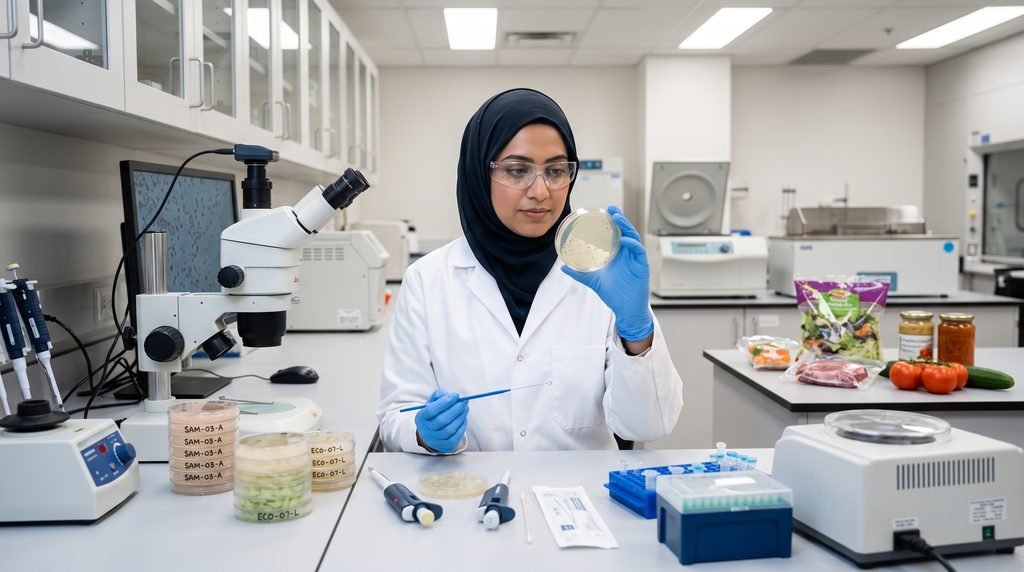
Food safety is one of the most important areas within food science. It focuses on identifying and controlling hazards that may make food unsafe.
6. Food Packaging
Packaging is not only about appearance. One of its most significant roles is to protect food.
7. Food Product Development
Have you ever wondered how a new food product is created? Food product development involves much more than simply combining ingredients.
What Do Food Scientists Do?
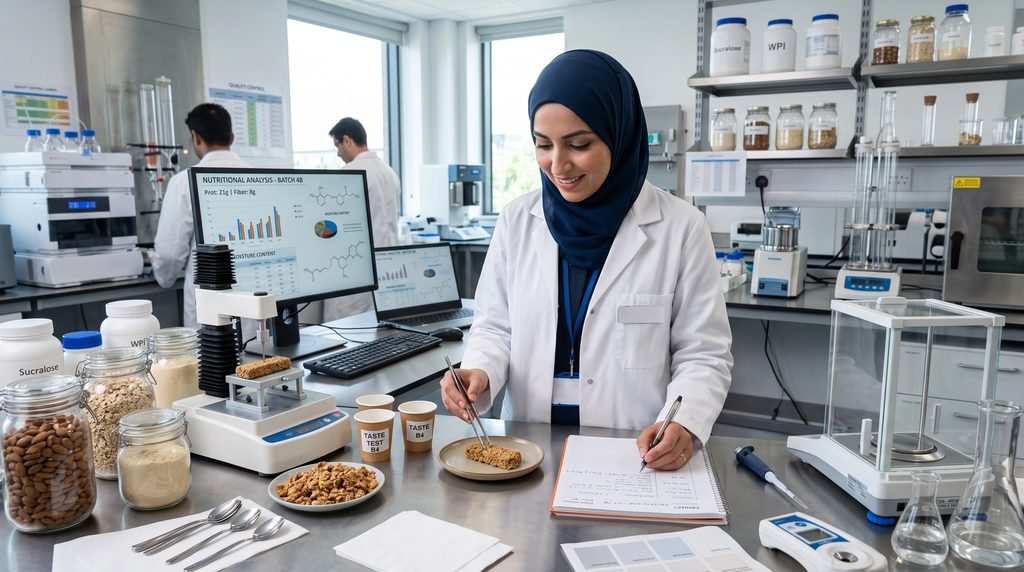
Food scientists can work in many different areas of the food industry and research sector. Their work may include:
1. Research and Development
Developing new food products or improving existing ones.
2. Quality Assurance and Quality Control
Monitoring products and processes to help ensure that quality requirements are consistently met.
3. Food Safety
Identifying potential hazards and supporting systems designed to control food safety risks.
4. Product Development
Working with ingredients, formulations, processing methods and sensory characteristics to create or improve products.
5. Food Processing
Studying and improving the processes used to manufacture and preserve food.
6. Food Packaging
Evaluating or developing packaging systems that help protect food quality and safety.
7. Research and Education
Conducting research or helping communicate scientific knowledge about food.
Because food science is multidisciplinary, it can lead to opportunities across research, industry, education, regulatory work, and other areas related to food.
The Future of Food Science
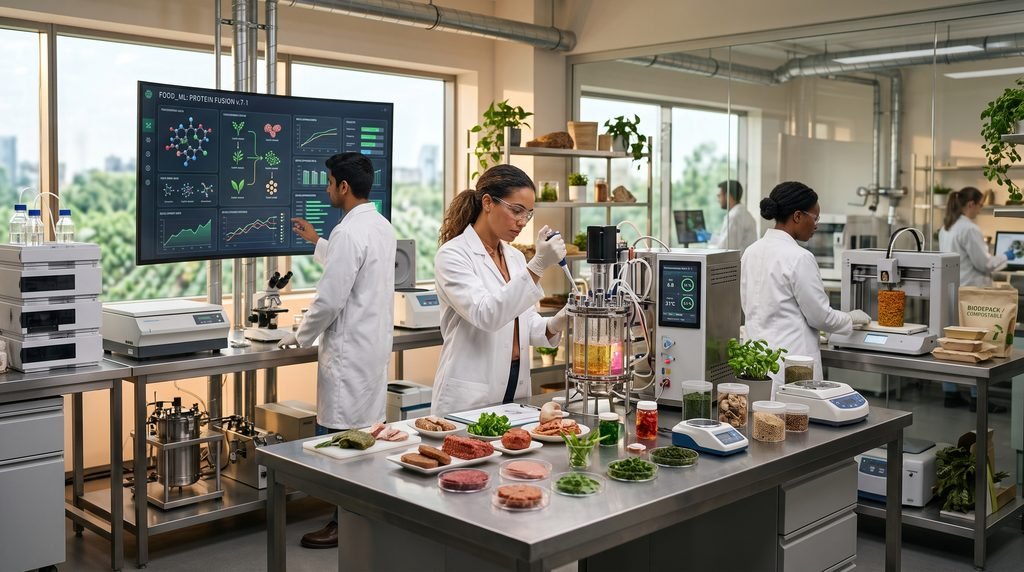
The food system is facing new challenges, including population growth, food waste, sustainability concerns, and changing consumer expectations. Food science will continue to play an important role in addressing these challenges. Some areas receiving increasing attention include:
- Sustainable food production
- Reducing food waste
- Alternative protein sources
- Innovative processing technologies
- Sustainable packaging
- Precision fermentation
- Artificial intelligence in food development
- Personalized approaches to food and nutrition
The future of food will depend on a combination of scientific knowledge, technology, and innovation. It provides an important foundation for understanding and contributing to these changes.
Frequently Asked Questions
What is food science in simple words?
Food science is the study of food and what happens to it during processing, storage, preservation, and preparation. It uses scientific knowledge to help improve food safety, quality and functionality.
Is food science the same as nutrition?
No. Nutrition mainly focuses on the relationship between food and the human body. It is broader and includes areas such as food chemistry, microbiology, processing, preservation, packaging and product development.
Is food science the same as food technology?
They are closely related but not the same. Food Science focuses on understanding the scientific principles behind food, while food technology focuses more on applying that knowledge to practical food production and processing.
Why is it important?
It contributes to food safety, quality, preservation, nutrition, product development, and innovation.
What subjects are involved in it?
It draws knowledge from several disciplines, including Chemistry, Biology, Microbiology, Physics, Biochemistry, and Engineering.
Final Thoughts
Food is something we interact with every day, yet there is an incredible amount of science behind it. From understanding why food spoils to developing new products, improving food safety, and finding more sustainable ways to produce and package food, food science plays an important role in the modern world. It helps us look beyond the food on our plate and understand the processes, reactions, and technologies that make it possible.
At The Food Science Edits, our goal is to explore these topics in a way that is clear, reliable, and easier to understand. Because behind every food, there is a story. And very often, that story begins with science.
Explore More
It is a vast and fascinating field, with so much more to discover. Explore more articles on The Food Science Edits to learn about food safety, processing, preservation, packaging, product development, and the science behind the food we eat.
Have a question or something to add? Share your thoughts and insights in the comments. We’d love to hear your perspective.
Want to explore more? Discover our latest articles and stay updated with The Food Science Edits.
Join the conversation on Instagram, LinkedIn, or Facebook for more food science insights. Those social links are already available in your site’s footer.

Atika Ishtiaq is a Food Science & Technology graduate, researcher, and content writer, and the founder of The Food Science Edits. She combines her background in food science with research-based writing to create clear, engaging, and informative content on food science, food technology, nutrition, food safety, and related topics.
Outstanding 😊
May Allah give you more success 🤞
Ameen. To you too dear.