
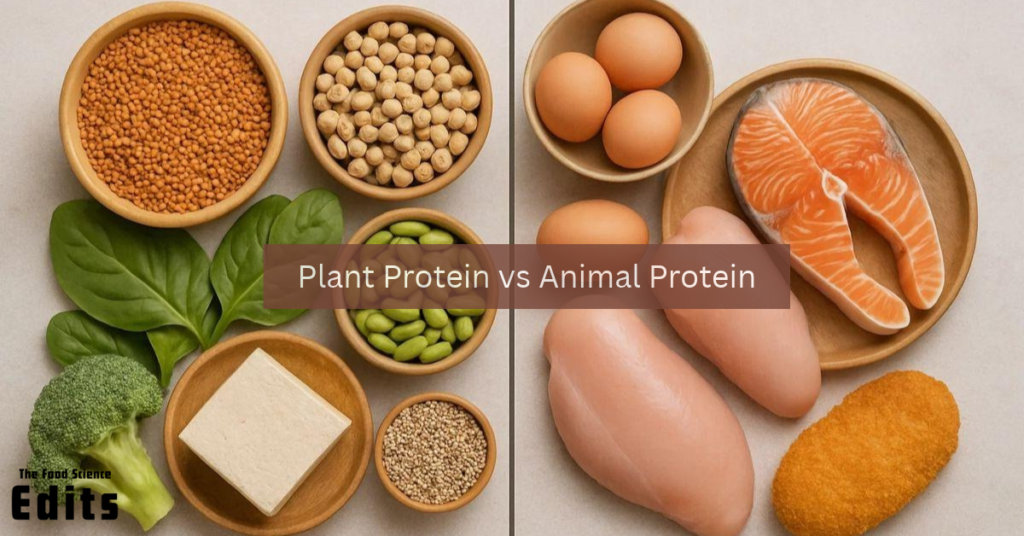
Whether you are studying for exams, training at the gym, or trying to eat well on a student budget, you have probably wondered which protein is better. The debate over plant protein vs animal protein is full of strong opinions, but the research gives a more balanced answer than most headlines suggest.
In short, animal protein is usually easier to digest and contains all essential amino acids. Plant protein can also meet your needs, adds fiber, and is linked to some long-term health benefits. This guide explains the plant protein vs animal protein question in simple terms so you can decide what works for you.
1. Understanding Protein and Its Role in the Human Body
Protein is one of the three main macronutrients, along with carbohydrates and fats. Your body uses it to build and repair muscles, make enzymes and hormones, support the immune system, and keep skin, hair, and nails healthy.
Proteins are made of smaller units called amino acids. Nine of them are essential, meaning your body cannot make them, and you must get them from food. Foods that contain all nine are called complete proteins, and foods missing some are called incomplete.
How much do you need? For healthy adults, the standard guideline is about 0.8 grams of protein per kilogram of body weight per day. Harvard’s Nutrition Source gives an example: a 140-pound person needs about 50 grams per day. A 60 kg student would need roughly 48 grams. People who do regular strength training may need more. This is a general reference, not personal medical advice.
2. Plant Protein vs Animal Protein: Understanding the Main Differences
The main differences come down to amino acids, extra nutrients, and digestion.
- Amino acid profile: Most animal proteins are complete. Many plant proteins are lower in one or more essential amino acids, such as lysine in grains.
- Digestibility: Animal protein is generally absorbed more easily than plant protein.
- The “package”: When you eat protein, you also eat the fats, fiber, and sodium that come with it. Harvard calls this the protein “package,” and it is likely what makes the difference for health. For example, a cup of cooked lentils has about 18 g of protein and 15 g of fiber, with almost no saturated fat or sodium.
- Nutrients: Animal foods are often rich in B vitamins, iron, and zinc, while plant sources contain more fiber.
So two foods with the same protein grams can affect your body differently. In the plant protein vs animal protein comparison, the whole food matters, not just the protein number.
3. Plant-Based Protein Sources and Their Nutritional Benefits
Plant-based protein sources are affordable and easy to store, which suits students. Common options include:
- Lentils, chickpeas, and beans
- Tofu, tempeh, and edamame
- Quinoa, oats, and whole grains
- Nuts, seeds, and nut butters
- Peas and pea protein powders
Key Plant Protein Benefits
The main plant protein benefits go beyond the protein itself:
- Fiber: Plant protein sources contain a high amount of fiber. Fiber supports digestion and helps you feel full.
- Lower saturated fat: Plant sources of protein are linked to lower cardiovascular disease risk than red meat, partly because of the different types of fat they contain.
- Budget-friendly: Dried beans and lentils are some of the cheapest protein foods.
Soy is a special case. It has a protein quality score of 1.00, which is close to meat and dairy [6]. You also do not need to combine foods at every meal. Eating a variety of plant proteins across the day, like rice and beans, helps cover all essential amino acids.
4. Animal Protein Sources and Their Nutritional Benefits
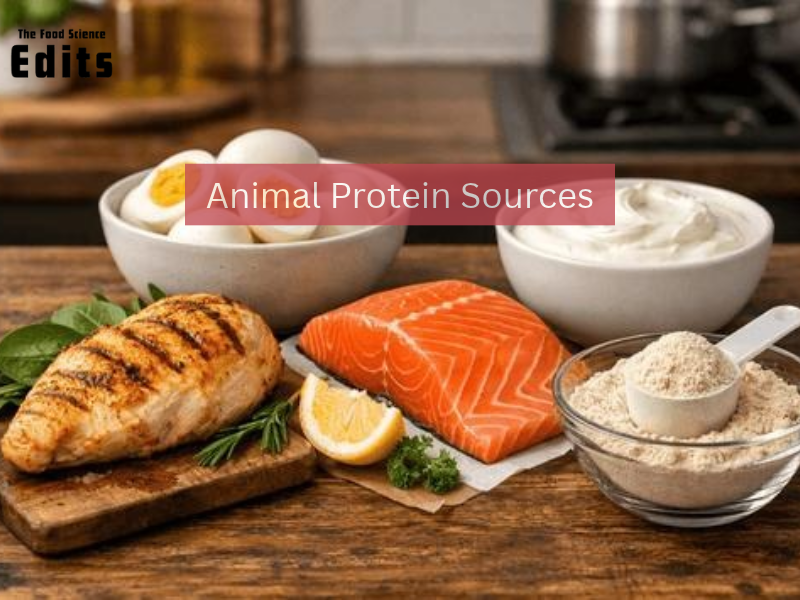
Common animal protein sources include eggs, dairy, poultry, fish, and red meat.
Key Animal Protein Benefits
The main animal protein benefits are:
- Complete amino acids: Most animal foods supply all nine essential amino acids in one food.
- High digestibility: The amino acids in animal foods survive digestion better, giving them higher bioavailability.
- Useful micronutrients: Animal-based protein foods commonly provide B vitamins, vitamin E, iron, magnesium, and zinc, and seafood often adds healthy fats [2].
However, not all animal protein is equal. Some animal foods carry a lot of saturated fat and cholesterol. A 4-ounce sirloin steak, for example, gives about 33 g of protein but also about 5 g of saturated fat. Harvard research also links regular red meat, especially processed red meat, to a higher risk of heart disease and stroke.
5. Protein Quality and Digestibility: Which Source Performs Better?
Scientists judge protein quality and digestibility with two main scoring systems:
- PDCAAS (Protein Digestibility Corrected Amino Acid Score), the older method, used since 1993.
- DIAAS (Digestible Indispensable Amino Acid Score), the newer method proposed by the Food and Agriculture Organization (FAO) to replace PDCAAS. DIAAS scores above 100 count as high quality, 75–100 as good, and below 75 as low.
Here are some published scores:
| Food | PDCAAS | DIAAS |
| Eggs | 1.0 | 113 |
| Milk | 1.0 | 114 |
| Beef | 0.92 | 111 |
| Chicken | 0.92 | 108 |
Source: Click on this
Plant proteins often score lower. Still, soy has a PDCAAS of about 1.00, and canola, potato, pea, and quinoa score at least 0.75. One review also notes that eating more of a plant protein can help supply enough essential amino acids.
Diets with less variety, especially ones made mostly of plant proteins, tend to have lower protein quality scores. This does not mean plant protein is “bad.” It means you should:
- Eat a variety of plant protein sources.
- Eat slightly more total protein if you rely only on plants.
- Choose minimally processed foods.
When comparing plant protein vs animal protein, remember that scores are only one tool. They do not show how a whole diet affects long-term health.
6. Plant Protein vs Animal Protein for Muscle Growth and Recovery
Muscle growth depends on enough total protein, regular resistance training, and enough calories. A large meta-analysis of 49 studies with 1,863 people found that protein supplementation improved muscle strength and size during resistance training, and gains stopped increasing beyond about 1.6 g/kg/day. The researchers also reported that the effect was not affected by protein source, such as whey versus steak.
A 2021 study from the University of São Paulo tested this directly. It followed 38 healthy young adults, half vegan and half omnivore, for 12 weeks. Both groups ate 1.6 g of protein per kg daily. Vegans used soy protein and omnivores used whey, and muscle strength and mass gains were not different.
The researchers added a caution: the results came from healthy young adults, and plant-based foods contain less protein per gram, so vegans may need to eat larger amounts of food to reach the same intake.
Here is how plant protein vs animal protein compare for muscle:
| Factor | Animal protein | Plant protein |
| Leucine (key amino acid for muscle building) | Higher | Lower |
| Digestibility | Higher | Slightly lower |
| Gains when total protein is adequate | Strong | Comparable |
Practical tip: If you rely on plants, include soy or pea protein, vary your sources, and consider slightly larger servings.
7. Long-Term Health Effects of Plant and Animal Protein
Long-term studies are mostly observational, so they show links, not proof of cause and effect.
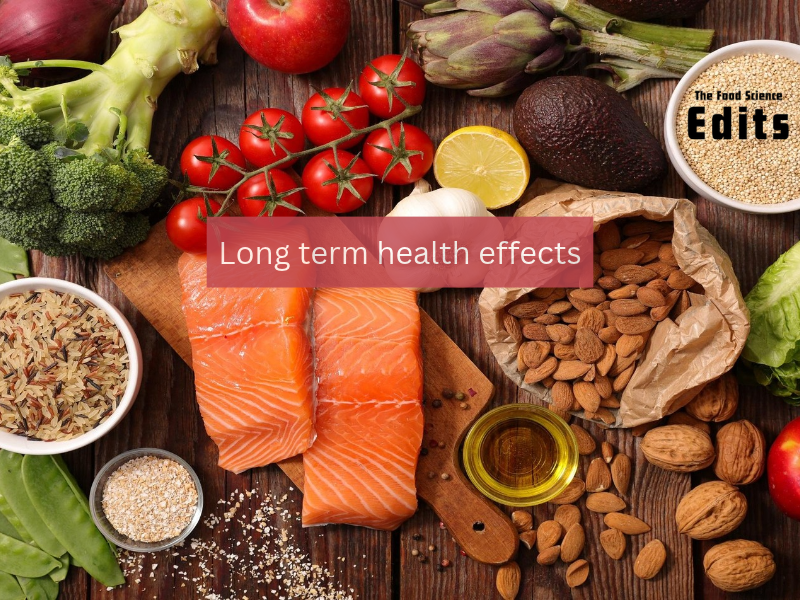
- Total protein vs source: In a Harvard analysis of more than 130,000 people followed for up to 32 years, the percentage of calories from protein was not related to overall mortality, but the source of protein was important.
- Heart health: In one study of 43,000 men, total protein was minimally linked to heart disease, but protein from red meat was linked to higher risk.
- Type 2 diabetes: Eating more red meat predicts higher diabetes risk, while nuts, legumes, and poultry are related to lower risk.
- Kidney health: People with kidney disease should get medical advice on protein.
Harvard’s overall message is that the source of protein, not the amount, likely makes the difference for health. This is why the plant protein vs animal protein debate is better framed as “which foods,” not “which team.”
8. How to Choose Between Plant Protein and Animal Protein
You do not have to pick one side. Try this simple approach:
- Consider your goals. For general health, a plant-rich pattern with some fish, eggs, or poultry works well. For muscle building, total protein matters most.
- Check your budget. Beans, lentils, eggs, and chickpeas are student-friendly.
- Think about nutrients. If you eat little or no animal food, plan for vitamin B12, iron, zinc, and omega-3s.
- Limit processed options. Choose fewer sausages and deli meats, and read labels on protein powders, which can contain added sugars and calories.
- Mix it up. A balanced day might include oats with peanut butter, lentil curry or chicken salad, and a tofu stir-fry or yogurt.
If you follow a vegan diet, a restricted diet, or have a medical condition, speak with a doctor or registered dietitian.
Frequently Asked Questions
Is plant protein as good as animal protein?
For most healthy people, yes, if you eat enough total protein from a variety of sources. Animal protein is generally more digestible and complete, but a well-planned plant-based diet can meet protein needs.
Which protein is better for building muscle?
Both can work. A 12-week study found similar muscle and strength gains in vegans and omnivores eating matched protein.
Can you get all essential amino acids from plants?
Yes. Soy is a high-quality plant protein, and eating a variety of grains, legumes, nuts, and seeds through the day covers your needs.
Is animal protein bad for your health?
Not by default. Harvard links regular red and processed meat to higher heart disease risk, while poultry is linked to lower diabetes risk.
What is the difference between PDCAAS and DIAAS?
Both score protein quality. DIAAS is the newer FAO-proposed method and measures amino acid digestibility more precisely than PDCAAS.
What are the best plant-based protein sources for students?
Lentils, chickpeas, beans, tofu, tempeh, peanut butter, oats, and edamame are affordable and easy to prepare.
Conclusion
The plant protein vs animal protein debate does not have a single winner. Animal protein offers high digestibility and complete amino acids. Plant protein offers fiber and links to better long-term health outcomes when it replaces red meat. Both can support muscle growth when total protein intake is enough.
For most students, the best approach is balanced: build meals around whole foods, vary your protein sources, limit processed options, and watch the nutrients you might miss.
Explore More
It is a vast and fascinating field, with so much more to discover. Explore more articles on The Food Science Edits to learn about food safety, processing, preservation, packaging, product development, and the science behind the food we eat.
Have a question or something to add? Share your thoughts and insights in the comments. We’d love to hear your perspective.
Want to explore more? Discover our latest articles and stay updated with The Food Science Edits. Join the conversation on Instagram, LinkedIn, or Facebook for more food science insights. Those social links are already available in your site’s footer.
Functional Foods: Do They Really Improve Your Health? What Is Food Science? Explore the Fascinating Science Behind What We Eat

Atika Ishtiaq is a Food Science & Technology graduate, researcher, and content writer, and the founder of The Food Science Edits. She combines her background in food science with research-based writing to create clear, engaging, and informative content on food science, food technology, nutrition, food safety, and related topics.