
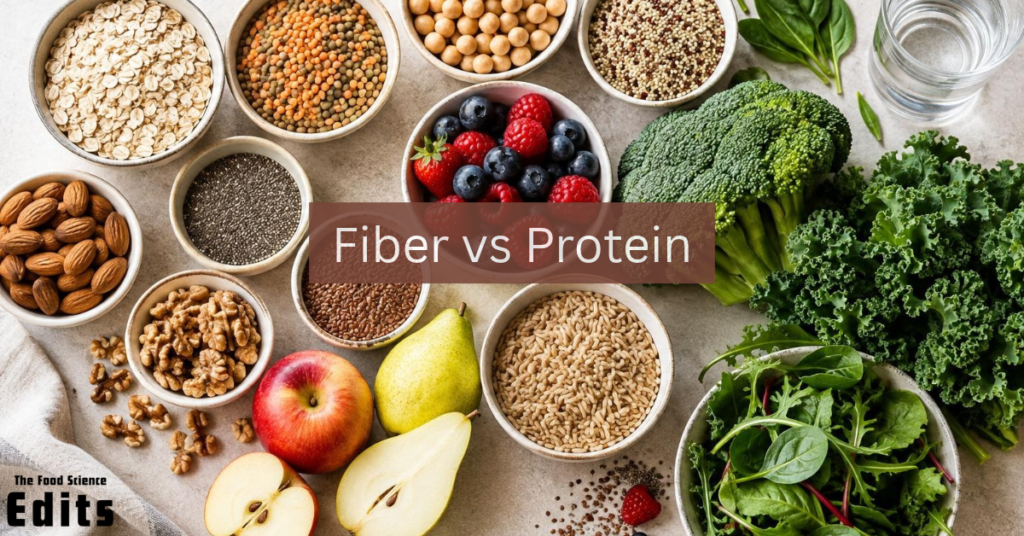
Protein has become a major focus in modern nutrition. From protein shakes to high-protein diets, many people pay close attention to their daily protein intake. However, another essential dietary component deserves equal attention: fiber.
A vital nutritional reality is emphasized by the expanding fascination with fiber benefits. Fiber supports digestion, contributes to heart health, and helps regulate blood glucose. Yet many people consume too few fruits, vegetables, legumes, and whole grains, making it difficult to meet their daily fiber needs.
Understanding the fiber benefits can help students, health-conscious readers, and anyone interested in nutrition make better food choices. Some fibers also nourish beneficial gut bacteria, while others help maintain regular bowel movements.
Does this mean fiber is more important than protein? Not necessarily. Both nutrients perform different functions. Instead of choosing one over the other, people should focus on a balanced diet that provides adequate protein, fiber, and other essential nutrients.
1. Why Fiber Is Receiving More Attention Than Protein
Protein is essential for building and repairing tissues, supporting muscles, and producing enzymes and hormones. However, focusing heavily on protein can sometimes distract people from other aspects of dietary quality.
Whole grains, fruits, vegetables, beans, lentils, nuts, and seeds are the primary sources of fiber in plant-based meals. Vitamins, minerals, and useful plant chemicals are also found in these meals. Many individuals do not consume enough fiber, which is one reason it needs to be recognized. Diets high in refined grains and low in whole plant foods can make it difficult to meet daily recommendations.
Fiber also has several health effects. Depending on its type, it can support digestion, help manage cholesterol levels, influence blood glucose responses, and nourish the gut microbiome. The message is not that fiber should replace protein. Rather, fiber benefits deserve greater consideration when planning balanced meals. A meal containing protein, vegetables, whole grains, and legumes can provide a broader range of nutrients than one focused on protein alone.
2. What is dietary fiber and how does it function?
Dietary fiber is a naturally occurring carbohydrate in plant foods that the human digestive system is unable to fully digest. Some fiber is largely undigested and travels through the digestive system, while certain kinds are fermented by intestinal microorganisms. Two types of dietary fiber are frequently discussed.
1. Soluble fiber
During digestion, soluble fiber dissolves in water and has the ability to produce a gel-like material. It might decrease nutrient absorption and slow down digestion. Sources include:
- Oats and barley
- Apples and citrus fruits
- Beans and lentils
- Peas and some vegetables
Specific soluble fibers can help lower LDL cholesterol and enhance blood glucose management.
2. Insoluble fiber
Water cannot dissolve insoluble fiber. It promotes waste transit through the digestive system and provides stool with more volume. Nuts, seeds, wheat bran, whole-wheat items, and a variety of vegetables are among the frequent sources. Both categories contribute to a balanced diet. Since a combination of fibers may be found in many plant foods, a practical approach to acquiring them is to consume a range of fruits, vegetables, legumes, and whole grains.
3. The Major Fiber Benefits for Your Health
The effects of fiber depend on its type, quantity, and the overall quality of a person’s diet. Some of the most important fiber benefits relate to digestive, cardiovascular, and metabolic health.
1. Fiber for gut health and regular digestion
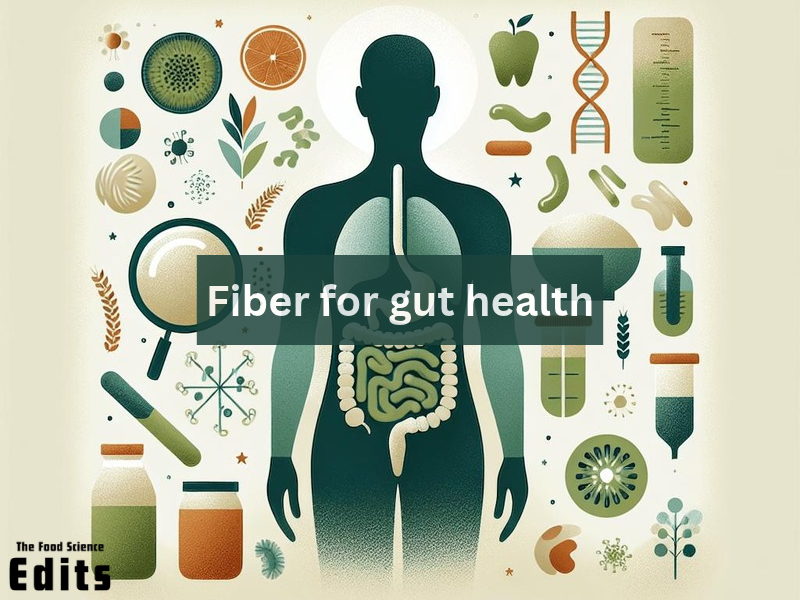
One of the best-known benefits of dietary fiber is its role in digestive health. Insoluble fiber helps increase stool bulk, while certain soluble fibers retain water and soften stool. Some fibers are also fermented by beneficial gut bacteria. This process produces short-chain fatty acids that contribute to normal gut function. Adequate fiber intake may help prevent constipation and support a healthy gut environment. However, different fibers affect individuals differently, particularly those with sensitive digestive systems.
2. Supporting heart health
Some soluble fibers, especially those found in oats, barley, and legumes, can help lower LDL cholesterol. They partly achieve this by affecting the recycling of bile acids involved in cholesterol metabolism. Higher dietary fiber intake is also associated with a lower risk of cardiovascular disease. These effects should be considered part of an overall healthy eating pattern, not a guarantee that fiber alone will prevent heart problems.
3. Helping with fullness and weight management
Fiber-rich foods can make meals more satisfying. Some fibers slow digestion, while foods such as vegetables, fruits, and legumes provide volume that helps people feel full. For example, lentil soup with vegetables provides fiber, protein, and water, making it a filling meal. Fiber does not automatically cause weight loss. Overall energy intake, physical activity, sleep, and other dietary habits also matter.
4. Supporting healthy blood sugar levels
Some types of fiber slow digestion and carbohydrate absorption, which may reduce sharp rises in blood glucose after meals. Soluble fiber found in foods such as oats, beans, and lentils can support blood sugar management. People living with diabetes may benefit from fiber-rich eating patterns, although individual dietary needs and treatment plans should always be considered. Overall, fiber supports several aspects of health at once, making it an important part of a balanced diet.
4. How Much Fiber Do You Need Each Day?
Your daily fiber intake depends on factors such as age, sex, and energy needs. The US National Academies provide the following general recommendations for adults aged 19 to 50:
| Group | Recommended daily fiber |
| Women | 25 grams |
| Men | 38 grams |
For adults over 50, the recommendations are generally 21 grams for women and 30 grams for men. Requirements can vary according to the guideline used and individual circumstances. Another practical guideline is approximately 14 grams of fiber per 1,000 calories consumed.
Many people fall short because they eat too few whole grains, legumes, fruits, and vegetables. Rather than trying to reach the entire target in one meal, spread fiber sources throughout the day. For example, oatmeal at breakfast, fruit as a snack, lentils at lunch, and vegetables at dinner can all contribute to your daily total.
5. Best High-Fiber Foods to Add to Your Diet
You do not need expensive products or specialized supplements to increase your fiber intake. Everyday foods can provide useful amounts alongside other nutrients.
1. Whole grains
Oats, barley, whole-wheat bread, and brown rice are useful choices. Choose whole-grain products more often than refined alternatives.
2. Beans, lentils, and chickpeas
These foods provide both fiber and plant protein. Add them to curries, soups, salads, and rice dishes to improve the nutritional value of everyday meals.
3. Fruits
Guava, pears, apples, oranges, and berries can contribute fiber. When appropriate, eat edible fruit skins after washing them thoroughly.
4. Vegetables
Broccoli, carrots, peas, and leafy greens provide fiber alongside vitamins and minerals. Include different vegetables across meals rather than relying on a single variety.
5. Nuts and seeds
Almonds, chia seeds, and flaxseeds offer fiber alongside healthy fats. Add small portions to oatmeal, yogurt, or other meals. The exact fiber content varies with the food, serving size, and preparation method. Choosing a variety of high-fiber foods is generally more useful than depending on one food alone.
6. Fiber vs. Protein: Which Nutrient Matters More?
Fiber and protein are both important, but they serve different purposes. Protein supplies amino acids needed for muscle growth, tissue repair, and the production of enzymes and hormones. Fiber supports digestive regularity and can contribute to healthy cholesterol and blood glucose levels. Consider these examples:
- Lentils: Provide plant protein and dietary fiber.
- Eggs: Provide high-quality protein but virtually no fiber.
- Oats: Provide fiber and some protein.
- Chicken: Provides protein but no dietary fiber.
A balanced meal can combine protein-rich foods with fiber-rich plant foods. For example, chicken served with whole-wheat roti and vegetables provides a broader range of nutrients than chicken alone. The growing interest in fiber benefits should encourage people to improve their overall diets, not abandon protein or follow restrictive food trends. The best approach is to include both nutrients in amounts appropriate for individual needs.
7. How to Increase Your Daily Fiber Intake

Small, consistent changes are often easier to maintain than an overnight diet overhaul. Try these practical steps:
- Choose whole grains more often. Replace some refined-grain foods with oats, whole-wheat bread, or brown rice.
- Add legumes to meals. Include lentils, chickpeas, or beans in soups, salads, and main dishes.
- Eat whole fruit regularly. Choose whole fruit instead of relying entirely on juice.
- Include vegetables in main meals. Add them to omelets, curries, sandwiches, or rice dishes.
- Drink enough fluids. Adequate hydration helps fiber work effectively, especially when you increase your intake.
- Increase fiber gradually. Add small amounts over time to help your digestive system adjust.
A simple day could include oatmeal with fruit at breakfast, lentils and whole-wheat roti at lunch, a pear as a snack, and vegetables with beans or another protein source at dinner. These changes can help you work toward your daily target without relying entirely on supplements. A varied, food-based approach is a practical starting point.
8. Can You Eat Too Much Fiber? Common Mistakes to Avoid
Although fiber is beneficial, increasing it too quickly can cause gas, bloating, abdominal discomfort, or changes in bowel movements. Common mistakes include:
- Increasing fiber dramatically in a single day.
- Eating more fiber without drinking enough fluids.
- Depending on one high-fiber food instead of eating a variety.
- Assuming fiber supplements are always better than whole foods.
- Ignoring persistent digestive symptoms.
If you have a digestive condition or regularly experience discomfort after eating fiber-rich foods, seek advice from a qualified healthcare professional or registered dietitian. Some conditions require individualized adjustments to fiber type or amount. The goal is to find a suitable level of intake that supports your health and is comfortable to maintain.
Frequently Asked Questions
What are the main benefits of fiber?
Fiber supports regular bowel movements, helps manage LDL cholesterol, contributes to healthy blood glucose levels, and promotes fullness. Certain types also nourish beneficial gut bacteria.
Which foods are highest in fiber?
Beans, lentils, chickpeas, oats, whole grains, chia seeds, and some fruits are useful sources. Fiber content depends on the specific food and serving size.
Is fiber more important than protein?
Neither nutrient is universally more important. Protein supports tissue repair and muscle function, while fiber supports digestive and metabolic health. Most people benefit from including both.
How can I increase my fiber intake safely?
Add servings of fruit, vegetables, legumes, or whole grains to your usual meals. Increase the amount gradually and drink enough fluids to help reduce digestive discomfort.
Does fiber improve gut health?
Yes. Appropriate fiber intake supports bowel regularity, and some fibers nourish beneficial gut bacteria. Individual responses vary according to the fiber type and digestive health.
Conclusion
Fiber deserves more attention in modern nutrition because its role extends beyond keeping digestion regular. The fiber benefits include supporting gut health, contributing to healthy cholesterol levels, helping regulate blood glucose, and promoting fullness. However, fiber is not a replacement for protein. Both nutrients contribute to different aspects of health, and a balanced diet includes adequate protein alongside a variety of plant foods. Start with simple changes: eat more whole grains, include legumes regularly, choose whole fruits, and add vegetables to everyday meals. Increase your intake gradually and stay hydrated. Ultimately, better nutrition is not about choosing the most popular nutrient. It is about building sustainable eating habits that provide the nutrients your body needs.
Explore More
It is a vast and fascinating field, with so much more to discover. Explore more articles on The Food Science Edits to learn about food safety, processing, preservation, packaging, product development, and the science behind the food we eat.
Have a question or something to add? Share your thoughts and insights in the comments. We’d love to hear your perspective.
Want to explore more? Discover our latest articles and stay updated with The Food Science Edits. Join the conversation on Instagram, LinkedIn, or Facebook for more food science insights. Those social links are already available in your site’s footer.

Atika Ishtiaq is a Food Science & Technology graduate, researcher, and content writer, and the founder of The Food Science Edits. She combines her background in food science with research-based writing to create clear, engaging, and informative content on food science, food technology, nutrition, food safety, and related topics.