
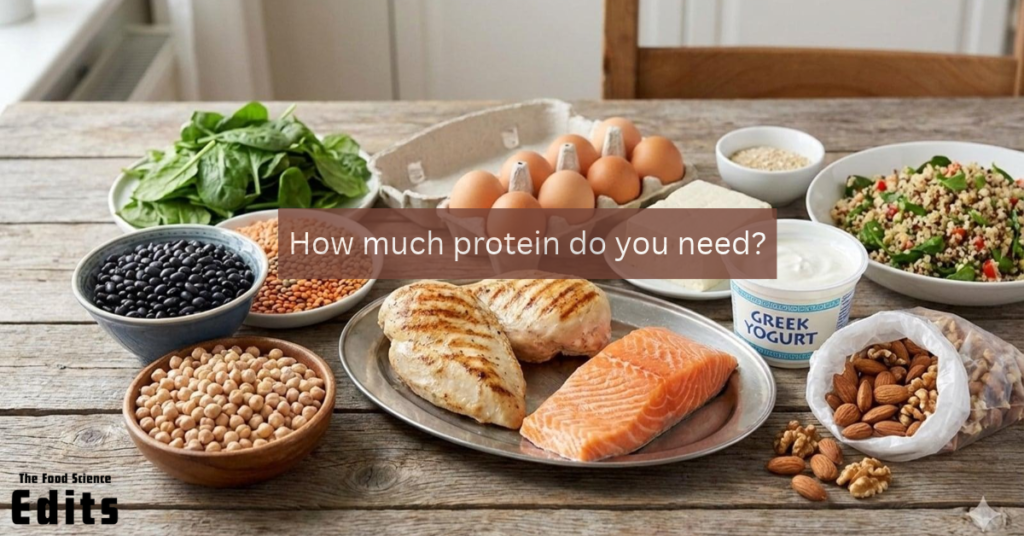
Protein is an essential nutrient that helps your body grow, repair tissues, maintain muscles, and produce enzymes and hormones. For students, understanding protein needs matters because balanced nutrition supports growth, daily activities, and recovery after exercise.
But how much protein do you need each day to stay healthy? The answer depends on your body weight, age, physical activity, and health status. For most healthy adults, the Recommended Dietary Allowance (RDA) is 0.8 grams of protein per kilogram of body weight per day. This is a general baseline, not necessarily the ideal target for every person.
Knowing how much protein you need can help you plan balanced meals without relying on expensive supplements or overeating protein-rich foods. Let’s explore daily protein requirements, the factors that influence them, and practical ways to meet your needs.
How Much Protein Do You Need Per Day?
Protein requirements are commonly calculated according to body weight. The adult RDA of 0.8 grams per kilogram per day is designed to meet the needs of nearly all healthy adults.
For example, a healthy adult weighing 60 kilograms would calculate their baseline protein requirement as follows:
60 kg × 0.8 g = 48 grams of protein per day.
This amount provides a useful starting point for general nutrition planning. However, people who exercise intensely, are pregnant, or have particular medical needs may require individualized recommendations.
According to the National Academies’ Dietary Reference Intakes, protein recommendations vary by life stage. Your daily intake should therefore reflect your circumstances rather than a number you see on social media.
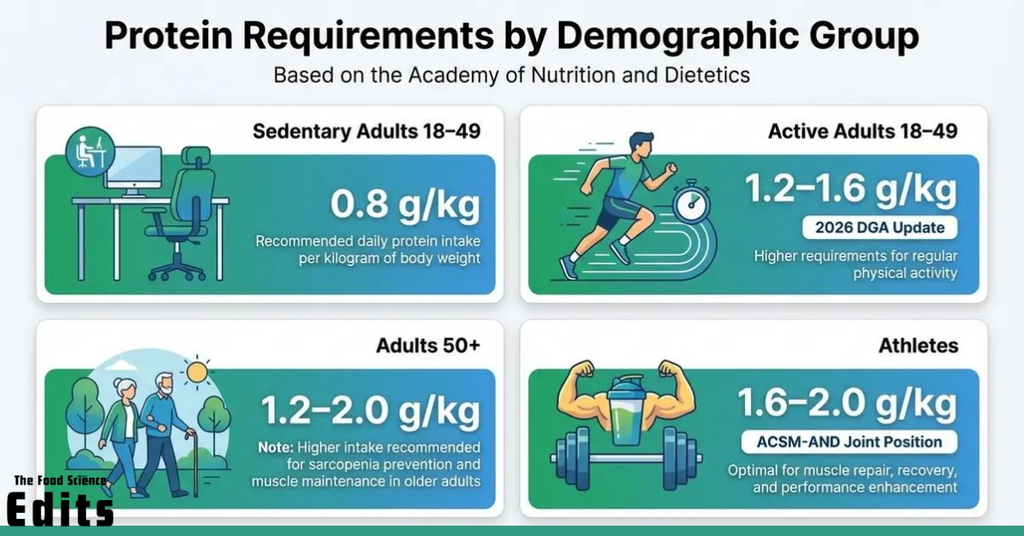
Understanding protein in grams
Protein grams refer to the amount of protein in food, not the total weight of the food itself. For example, 100 grams of cooked chicken does not contain 100 grams of protein. A food’s protein content depends on its type, preparation, and serving size. Reading nutrition labels and checking reliable food composition databases can help you estimate your intake more accurately.
What Factors Affect Your Protein Needs?
The answer to how much protein do you need is influenced by several factors. Two people of the same age may have different requirements because their body weights, activities, and health conditions differ.
1. Body weight and overall health
Body weight is an important starting point for estimating protein needs. People with higher protein requirements may need more grams daily, while those with certain medical conditions may need professional guidance. Body weight alone does not tell the whole story. Body composition, nutritional status, energy intake, and medical history can also influence dietary recommendations.
2. Physical activity and exercise
Your activity level affects how your body uses protein. Regular exercise increases the need to repair and adapt muscle tissue, particularly after resistance training. People who walk regularly or perform light activities may meet their needs through an ordinary balanced diet. Athletes and people following demanding training programmes may benefit from a higher intake.
3. Age and life stage
Children and teenagers need protein for growth and development. Adults need it to maintain and repair body tissues, while older adults may need particular attention to protein intake to help preserve muscle mass. Pregnancy and breastfeeding also change nutritional requirements. People in these life stages should follow appropriate guidance from a qualified healthcare professional.
4. Health and recovery
Illness, injuries, surgery, and some medical conditions can affect nutritional needs. However, higher protein intake is not automatically appropriate for everyone. For example, people with chronic kidney disease may require a specific protein intake depending on their condition and treatment. They should follow advice from their healthcare team rather than independently increasing or restricting protein.
Protein Needs by Age: How Much Do You Need?
Protein needs by age differ because the body changes throughout life. The following figures are general US dietary reference values and should be interpreted in the context of individual needs.
| Age or life stage | General daily protein recommendation |
| Children aged 1–3 years | 13 g |
| Children aged 4–8 years | 19 g |
| Children aged 9–13 years | 34 g |
| Teenagers aged 14–18 years | 46 g for girls; 52 g for boys |
| Adult women aged 19 and older | 46 g |
| Adult men aged 19 and older | 56 g |
| Pregnancy | 71 g |
| Breastfeeding | 71 g |
Source: National Academies’ Dietary Reference Intakes. These reference values are based on standard body-weight assumptions and are not personalized prescriptions.
1. Protein requirements for children and teenagers
Children and teenagers need sufficient protein to support growth, tissue development, and normal body functions. Protein-rich foods such as eggs, milk, yogurt, lentils, beans, fish, and meat can help meet these needs. Teenagers who participate in sports should also consume enough total energy and a variety of nutrients to support growth and training.
2. Protein requirements for adults
Healthy adults generally use the 0.8 g/kg/day recommendation as a baseline. For instance, a person weighing 70 kg would calculate a baseline requirement of 56 grams daily. This calculation is more personalized than relying only on a general number for men or women. Individual requirements can still vary according to activity, health, and other circumstances.
3. Protein requirements for older adults
Older adults may experience a gradual decline in muscle mass and strength. Adequate nutrition, regular physical activity, and appropriate resistance exercise can help support healthy ageing. Some expert groups recommend higher protein intakes for older adults, particularly those at risk of muscle loss. However, the best target depends on health status, activity, and individual circumstances.
How Much Protein Do You Need for Different Goals?
Daily protein intake should reflect your goals, but protein is only one part of a healthy diet. Carbohydrates, fats, vitamins, minerals, and sufficient total energy are also important.
1. Protein for weight management
Protein contributes to the structure of body tissues and can help you feel satisfied after meals. Including protein-rich foods in a balanced diet may make it easier to manage hunger while following a weight-management plan. However, protein does not cause weight loss on its own. Overall energy intake, physical activity, sleep, and eating habits all influence weight changes.
Choose varied foods such as eggs, yogurt, lentils, beans, fish, and lean poultry. Avoid replacing all carbohydrates or fats with protein, since both provide important nutrients.
2. Protein for muscle growth and recovery
Muscle growth depends on resistance training, adequate energy intake, recovery, and sufficient protein. Simply eating more protein without appropriate exercise does not guarantee increased muscle mass. For healthy adults who exercise regularly, sports nutrition research commonly discusses intakes of approximately 1.4–2.0 g/kg/day, depending on training demands and individual goals. This range is higher than the general adult RDA and is not necessary for everyone.
The International Society of Sports Nutrition’s position statement provides further information about protein intake and exercise.
3. Protein for active people and athletes
Athletes may need more protein because training creates additional demands for muscle repair and adaptation. Their requirements depend on the type, intensity, and frequency of exercise.
Endurance athletes also need adequate carbohydrates to fuel training. Protein should complement, rather than replace, other essential nutrients. A sports dietitian can help athletes estimate suitable intake and decide whether ordinary foods are sufficient.
Which Foods Are Good Sources of Protein?
You do not need expensive protein products to meet your daily requirements. A varied diet can provide protein alongside other essential nutrients.
1. Animal-based protein sources
Animal foods generally provide protein containing all nine essential amino acids. Useful options include:
- Eggs: A convenient source of protein and other nutrients.
- Milk and yogurt: Provide protein, with dairy products also contributing calcium.
- Chicken and fish: Supply protein and can fit into balanced meals.
- Lean meat: Provides protein and nutrients such as iron and vitamin B12.
Choose preparation methods that fit your overall health goals, such as grilling, baking, steaming, or cooking with moderate amounts of oil.
2. Plant-based protein sources
Plant foods can also contribute substantially to daily protein intake. They are especially useful for vegetarians and people who want more variety in their diets. Examples include:
- Lentils, chickpeas, and kidney beans
- Soybeans, tofu, and other soy foods
- Peanuts, almonds, and other nuts
- Pumpkin seeds, sesame seeds, and other seeds
- Whole grains such as oats
Plant foods vary in their amino acid profiles and digestibility. Eating a variety of protein sources throughout the day can help provide the essential amino acids your body needs. You do not generally need to combine specific plant proteins in every meal.
How much protein do common foods provide?
Approximate amounts can help you plan meals more effectively.
| Food | Serving | Approximate protein |
| Egg | 1 large | 6 g |
| Milk | 1 cup (240 ml) | 8 g |
| Plain yogurt | 170 g | 6–17 g |
| Cooked chicken breast | 100 g | 30–31 g |
| Cooked lentils | 1 cup | 18 g |
| Cooked chickpeas | 1 cup | 14–15 g |
| Peanuts | 28 g | 7 g |
Values are estimates. Actual protein content varies by food variety, brand, preparation, and serving size. For more precise values, consult a reliable food composition database or product label.
How Can You Meet Your Daily Protein Requirements?
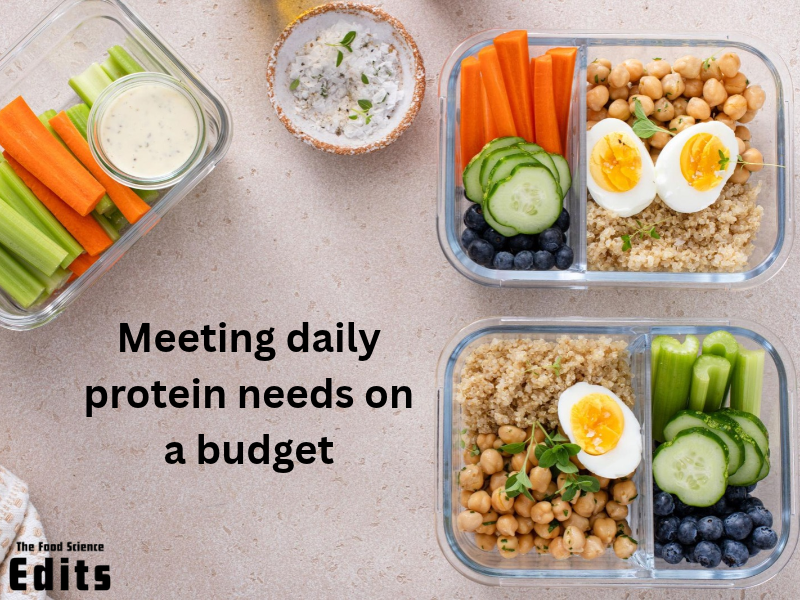
Meeting daily protein requirements becomes easier when you include a protein source in regular meals rather than trying to consume a large amount at once.
1. Distribute protein across meals.
You can spread protein intake across breakfast, lunch, dinner, and snacks. This approach can make it easier to reach your daily target and create balanced meals. For example, a student might choose eggs and milk at breakfast, lentils with rice at lunch, yogurt as a snack, and chicken or beans at dinner. The amounts should reflect the person’s needs and appetite.
2. Plan affordable, balanced meals
Protein-rich eating does not have to be expensive. Lentils, chickpeas, beans, eggs, milk, and peanuts can be practical options for students. Try these simple habits:
- Include one or more protein sources in your main meals.
- Choose different animal and plant protein sources throughout the week.
- Eat enough fruits, vegetables, whole grains, and healthy fats.
- Check serving sizes instead of estimating every portion by appearance.
- Plan meals ahead of time to reduce reliance on highly processed convenience foods.
3. Do you need protein supplements?
Protein powders and ready-to-drink shakes can be convenient, but most people can meet their requirements through ordinary foods. Supplements may help athletes or people who struggle to meet their needs through food. However, they should not replace a varied diet, and product quality matters. If you have a medical condition, take medication, or are unsure about your nutritional needs, seek advice from a qualified healthcare professional before starting supplements.
Can You Eat Too Much Protein?
Protein is essential, but consuming more than you need does not automatically improve health, strength, or muscle growth. Once your needs are met, additional protein may offer little extra benefit unless it serves a specific nutritional or training purpose.
1. Possible concerns with excessive protein intake
The effects depend on the amount consumed, the foods chosen, and the person’s health.
- Dietary imbalance: Very high protein intake may displace fruits, vegetables, whole grains, and other nutrient-rich foods.
- Extra energy intake: Protein foods and shakes can add calories, which may affect weight if total energy intake consistently exceeds your needs.
- Food quality: A diet heavily dependent on processed meats may provide excess sodium or saturated fat.
- Kidney health: People with kidney disease may need carefully managed protein intake. They should follow individualized medical advice.
For healthy people, protein-rich foods can be part of a balanced diet. The goal is not to avoid protein but to consume an appropriate amount from varied sources.
2. Common mistakes to avoid
Avoid assuming that everyone needs the same daily target, that supplements are essential for muscle growth, or that eating more protein always produces better results. Another common mistake is focusing only on protein while neglecting sleep, exercise, hydration, and overall dietary quality. These factors work together to support health.
Frequently Asked Questions
How much protein does an average adult need daily?
The general RDA for healthy adults is 0.8 grams per kilogram of body weight per day. A 60 kg adult would use this calculation to estimate 48 grams daily. Individual requirements may differ.
Can you get enough protein without eating meat?
Yes. Lentils, beans, chickpeas, soy foods, nuts, seeds, dairy products, and eggs can help meet protein needs. People following a vegan diet should include a variety of plant protein sources.
Is it better to eat protein at every meal?
Including protein in several meals can make it easier to meet daily needs. For most people, total daily intake and overall dietary quality matter more than following a strict protein schedule.
Do you need protein supplements to build muscle?
No. Many people can meet their needs through food. Supplements can be convenient when ordinary meals do not provide enough protein, but resistance training, sufficient energy, and recovery are also essential.
Does protein intake need to change with age?
Yes, requirements vary across childhood, adolescence, adulthood, pregnancy, and breastfeeding. Older adults may also benefit from paying particular attention to protein intake to support muscle health.
Conclusion
Understanding how much protein you need helps you make informed food choices and maintain a balanced diet. For healthy adults, 0.8 grams per kilogram of body weight per day is a useful baseline, while people who exercise intensely or have different nutritional needs may require other targets. Focus on varied protein sources such as eggs, dairy products, lentils, beans, fish, meat, nuts, and seeds. Combine them with whole grains, fruits, vegetables, and healthy fats to support overall nutrition. Rather than chasing the highest possible protein intake, aim for an amount that suits your body, activity level, and health. If you have a medical condition or special nutritional requirements, consult a qualified healthcare professional for personalized guidance.
Explore More
It is a vast and fascinating field, with so much more to discover. Explore more articles on The Food Science Edits to learn about food safety, processing, preservation, packaging, product development, and the science behind the food we eat.
Have a question or something to add? Share your thoughts and insights in the comments. We’d love to hear your perspective.
Want to explore more? Discover our latest articles and stay updated with The Food Science Edits.
Join the conversation on Instagram, LinkedIn, or Facebook for more food science insights. Those social links are already available in your site’s footer.

Atika Ishtiaq is a Food Science & Technology graduate, researcher, and content writer, and the founder of The Food Science Edits. She combines her background in food science with research-based writing to create clear, engaging, and informative content on food science, food technology, nutrition, food safety, and related topics.